All links for this post can be found here, on my Pinboard account. If you encounter a dead link, an archived copy is available on Pinboard.
A few years ago, I owned a handmade candle business and sold on Etsy. It was fun because each scented candle requires figuring out the correct size of wick, the right amount of fragrance oil, and even what type of wax works best, in order to create a candle that not only burns safely, but also smells good. There’s a lot of science involved with it and in order to make a safe and good candle1, you need to do A LOT of research, testing, and record keeping, which are things I really enjoy.
However, there are a number of handmade candle sellers who don’t like those aspects of it and like to make what I call “gimmicky candles,” which means there are a number of unsafe handmade candles on Etsy. There are no regulations involved with selling a candle online, so anyone can slap together some wax and wicks and sell it. Since Christmas is coming up, and you may be doing some last minute shopping, I thought I’d highlight some types of popular handmade candles that you may want to think twice about before buying for yourself or purchasing as a gift.
Candles with Dried Botanicals
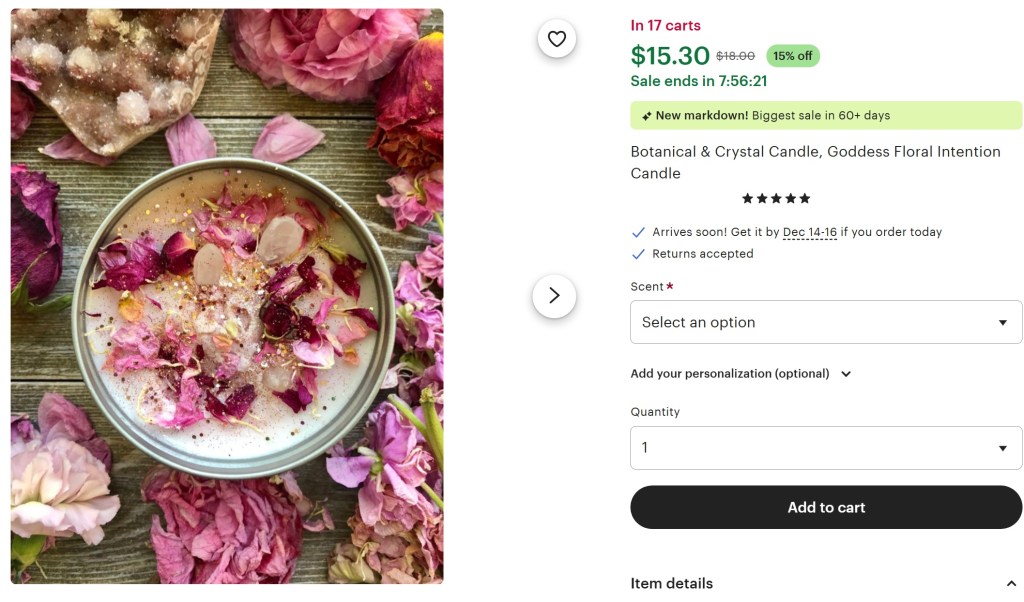
There’s a popular trend right now to embed dried flower and other botanicals in candle wax, many of them marketed as “spell” or “intention” candles for the mystical-minded individual. However, dried botanicals are highly flammable and can cause the entire top surface of the candle to ignite. That, of course, is a fire hazard. There’s also the fact that flaming dried botanicals don’t smell particularly great and the botanicals may have been grown with pesticides or dyed to retain color. Not exactly stuff you want to breathe in a closed environment.
In the event that this type of candle does start a fire in your home, a candlemaker’s insurance (assuming they actually have it, since some sellers forego it) may not cover it. It’s enough of a problem and risk that the National Candlemaker’s Association issued a warning and report2 about the dangers associated with embedding dried botanicals.
If you absolutely must buy one of these candles, use a candle warmer rather than igniting it. Another option is to find one that has dried botanicals on top, rather than embedded in the wax, and remove the material before burning.
Candles with Crystals
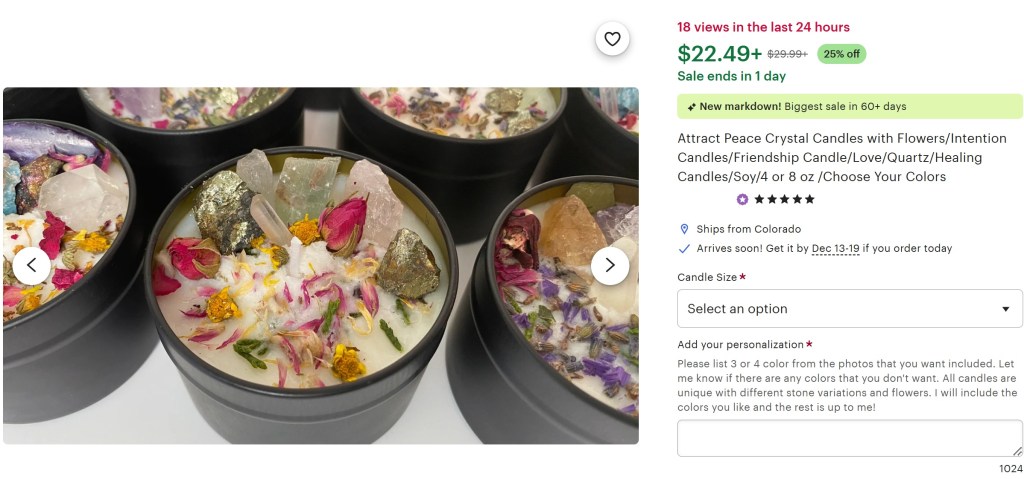
Surely crystals must be safe, right? They can’t catch on fire. No, but if heated to a high enough temperature, they can explode. Crystals can contain trapped moisture, internal cracks, and other imperfections that can be dangerous with sudden temperature changes. Don’t believe me? Read through some of the experiences of mineral collectors and exploding crystals here.3
It’s also important to note that your handmade candle seller may not be sourcing from the best places, meaning that crystal may not actually be a crystal. If that’s the case, there’s no telling what may happen.
Candles in Vintage Tea Ware
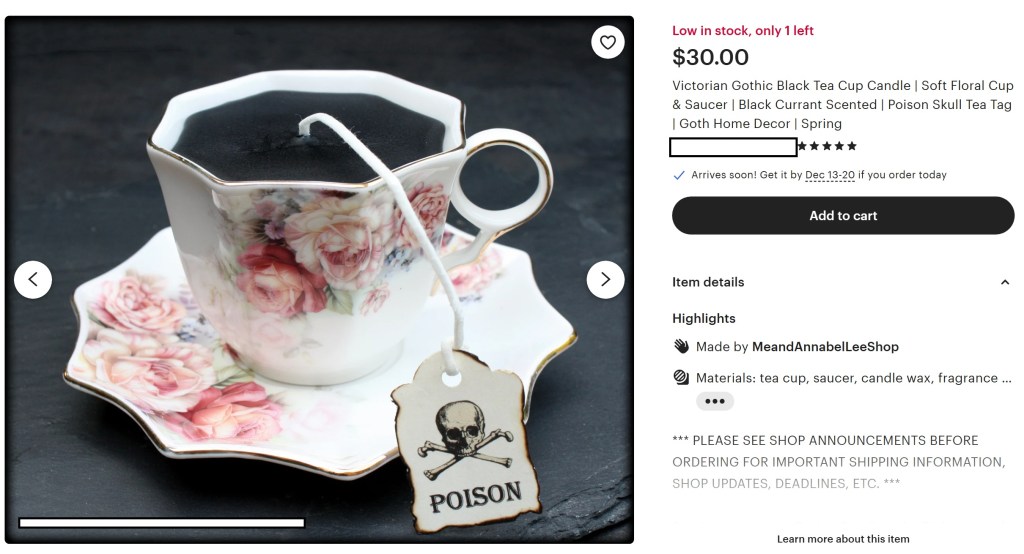
Personally, I would hate to ruin such a pretty piece of tea ware by pouring wax into it, but there is a market for these.
Candle containers should meet standard safety specifications4 and tea ware was never designed for use as a candle container. Which means it’s not safe to use with the high temperatures that candle flames can create. With time and use, tea ware can develop weak spots, which then leads to cracks, breaks, and shatters when exposed to high levels of heat.
Vintage tea ware may also contain lead and other toxic heavy metals5, like cadmium. There have also been cases of imported dishware containing toxic heavy metals6. These heavy metals can leach into the wax, then when the candles are burned, the heavy metals are released into the air and inhaled. This is why lead wicks were banned in the US back in 2003.7
Candles in Drinkware
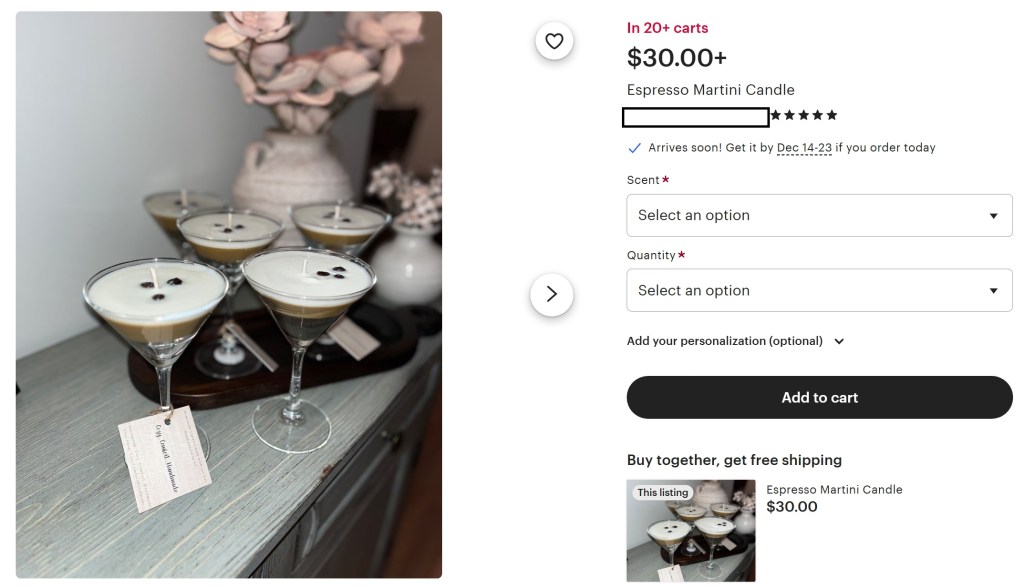
This one follows the same rule as above. Drinkware is not created for use as a candle container, is not heat tempered, and thus not safe for exposure to high temperatures. So no wine candles, cosmo candles, or beer candles.
I also want to note that it’s near impossible to find a wick that will give you a good burn in a tapered container. You will either end up with a candle container that gets exceedingly hot as the wick burns down or a candle that tunnels because the wick is too small,8 which is a waste of wax.
Candles Made with Essential Oils
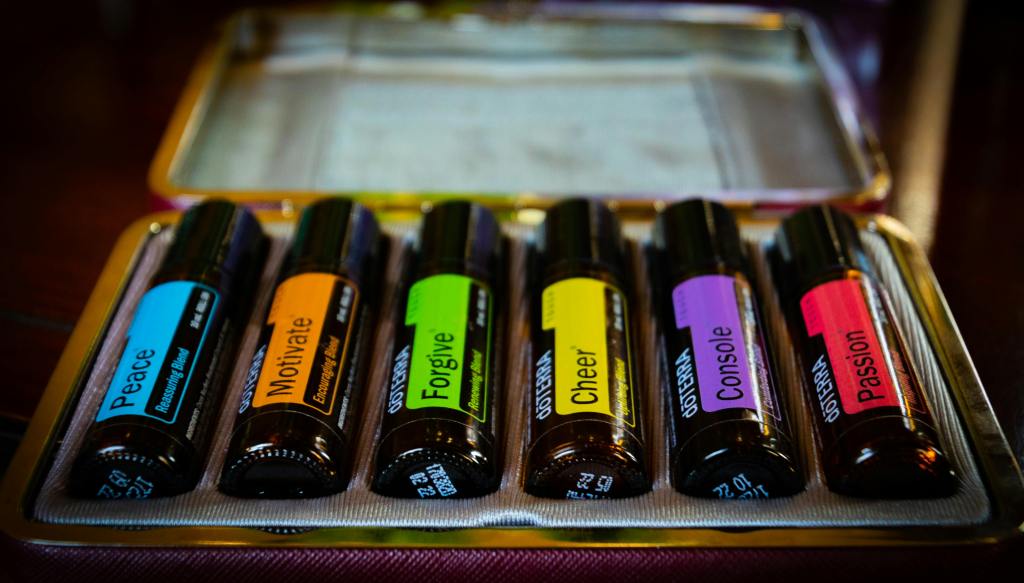
While this one isn’t outright unsafe, there are some things to be aware of when you’re buying a candle that claims to use only essential oils.
Essential oils are unregulated and it’s estimated that 80% of commercially available essential oils are adulterated with synthetic oils.9 If you do purchase a candle that’s made with 100% EOs, it will cost much more than one made with a synthetic fragrance, since pure essential oils are more expensive (a cheap EO candle is a red flag). And, like the dried botanicals mentioned above, there’s always a chance that pesticides were involved and that the essential oil is not organic. Unless the seller explicitly states the essential oils used are organic, you have no way of knowing for sure, and even if the seller does state the EOs used are organic, there’s always the possibility the seller doesn’t understand the difference between “natural” and “organic.” 10 Considering I once saw an Etsy seller touting a “Fresh Laundry” candle as 100% organic and made with essential oils, there’s always going to be a risk with buying EO candles from amateur sellers. (Note: “Fresh laundry” is a synthetic scent; there’s no “laundry” flower to distill the oil from.)
Which leads me to my next point: essential oils have a greater need for trial and error. If you take a look at the product page for Candlescience’s Orange essential oil,11 they note that when using it in a candle, it gives off a fuel scent. Not all essential oils come with this type of guidance, especially if they’re purchased from a site that isn’t dedicated to candle making, like Amazon. In addition, EOs are notoriously tricky to use in wax and you often need to use a high percentage of oil, sometimes past the recommended limit, to get a good “throw.” Even seasoned candle makers struggle with getting a candle made with essential oils to burn right.
There’s also the whole issue of how sustainable essential oils are and if the production of them is good for the environment.12 That’s a whole post for another day, but keep in mind that it takes 10,000 pounds of rose petals to create just 1 pound of essential oil.
In my opinion, if it’s really important to you that your candle is made with essential oils, then it’s best to buy it from a professional company.
In Closing
I want to close with how to pick out a good, handmade candle from Etsy. While this post may seem critical, there are a lot of really great candle makers who sell on Etsy and you absolutely should support them and their business. Here are 5 things to look for.
- The burn time is listed. This means the seller has tested out their candle and knows how long it takes to burn to the bottom.
- They state the origin of their supplies (or are willing to answer the question when you ask). I would be very wary of any candle made with supplies from Amazon. While there are some candle supply stores that have shops on there, there are also a lot of sketchy shops. Don’t even get me started on Temu.
- They don’t have a huge variety of candle scents, especially if their store is relatively new. A new candle shop with a long list of scents means they either haven’t thoroughly tested out each candle or they aren’t handmade. To see how old a shop is, go to the shop page, click on reviews, sort by recent, then click through to the last page to view when their first review was left.
- The label meets the requirements set forth by the Fair Packaging and Label Act13. Candle labels are required by law to list the manufacturer identity, location, statement of identity (like “scented candle”), and the net weight in grams and ounces. If a seller doesn’t have a label that lists those, then they haven’t done their research.
- The candles aren’t cheap. Okay, here’s the deal with this. This is an incredibly expensive hobby. It’s even more expensive when you go into business. High quality candle supplies costs money. Testing and perfecting candles costs money. While sometimes beginner sellers on Etsy will sell at a loss in order to get sales, a cheap candle says, to me, that either they used cheap supplies and aren’t serious or it’s not handmade, i.e. it’s a white label candle.

 Efemeryda
Leave a comment